
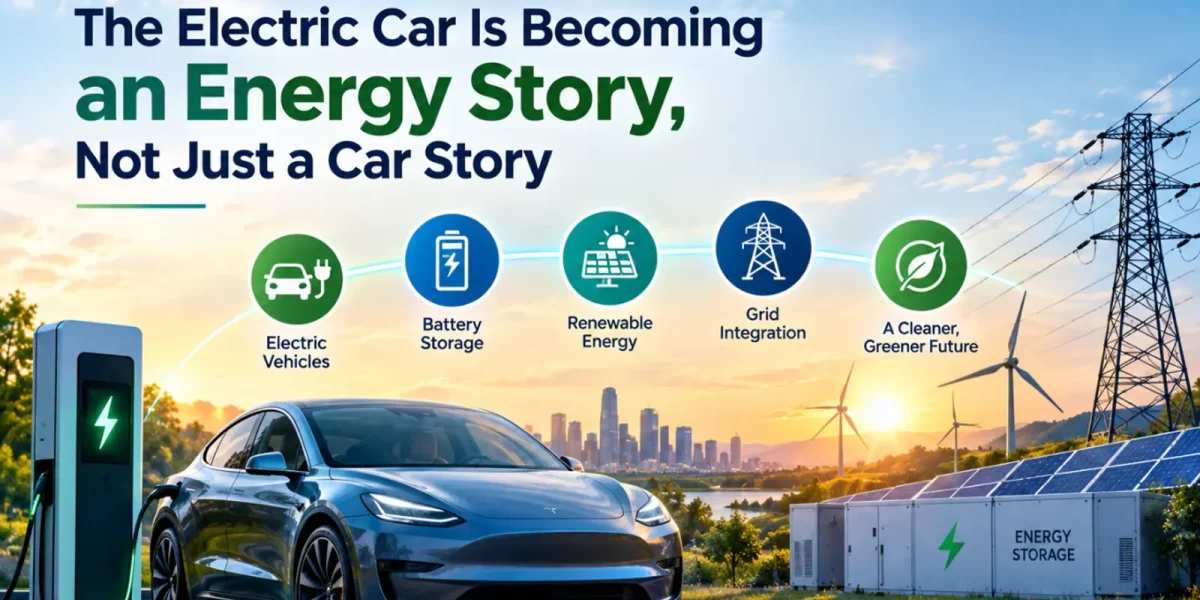
The Electric Car Is Becoming an Energy Story, Not Just a Car Story
 by Amit Goel
China already sells more electric cars than combustion ones, and Europe is not far behind, while the United States, Japan...
The Global Debt Burden Has Shifted to a Higher Baseline
The first chart highlights a growing concentration of fiscal pressure across some of the world’s largest economies.
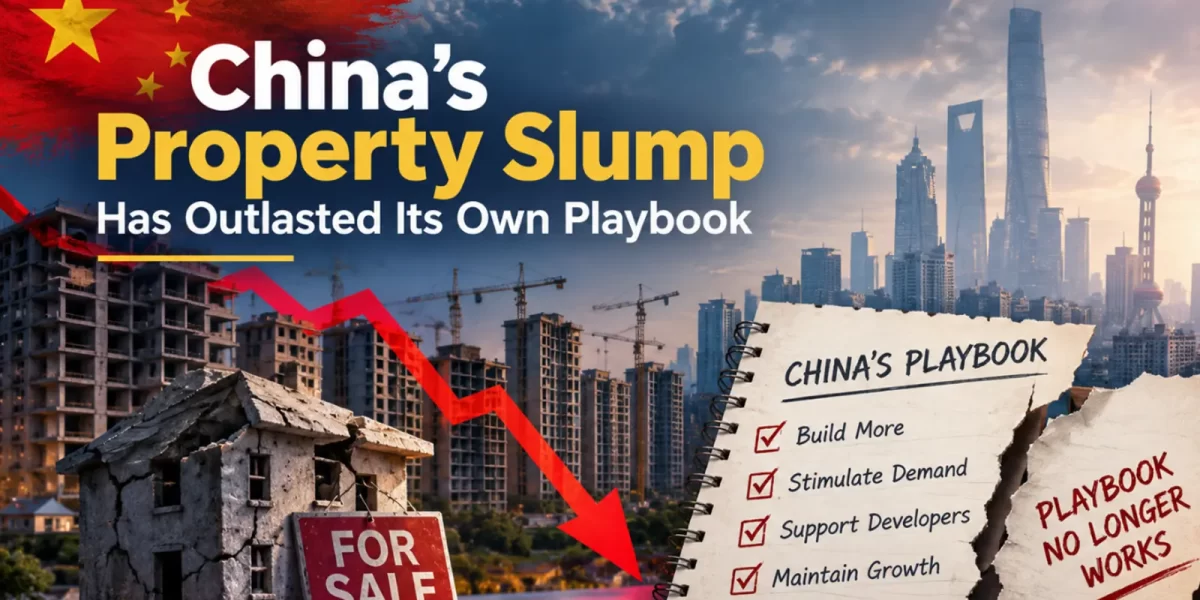
China’s Property Slump Has Outlasted Its Own Playbook
Every year since 2022, new home prices have fallen in at least four out of every five of China's 70 major cities, and the "no change" category...
Food Prices Are Threatening Consumer Wallets Today and Long-Term Bonds Tomorrow
This chart tracks the monthly change in the Bloomberg Agriculture Spot Index, which follows ten major crop products.
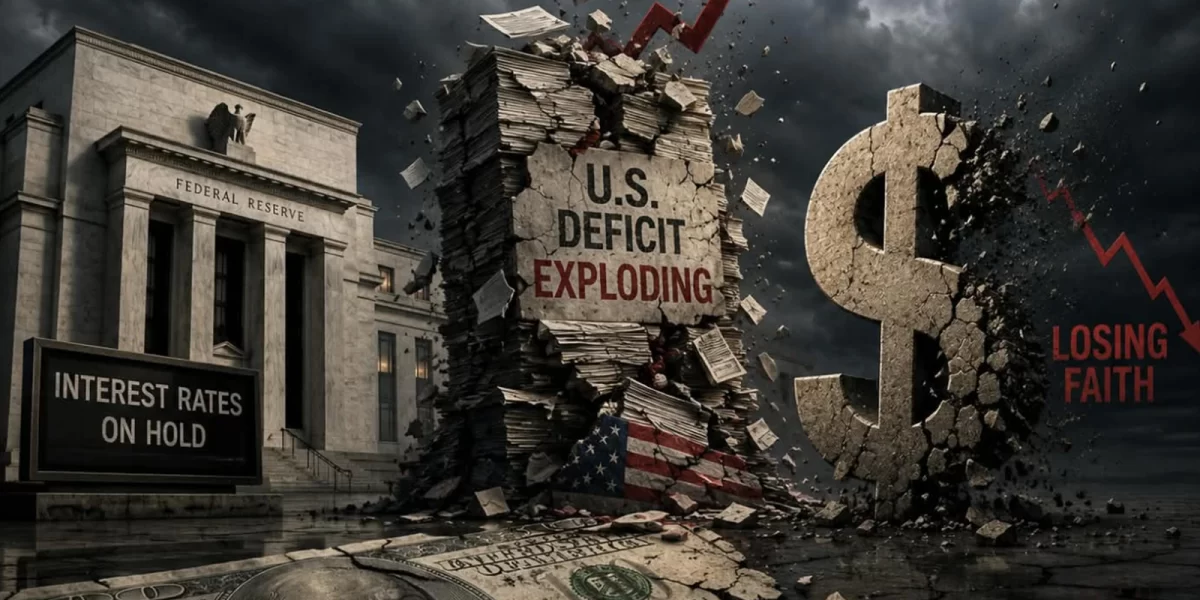
The Fed Is Stuck, the Deficit Is Exploding, and the Dollar Is Losing Faith
After cutting from 5.00% down to 3.75% through late 2024 and into 2025, the Federal Reserve has now held its target range at 3.50–3.75% for...
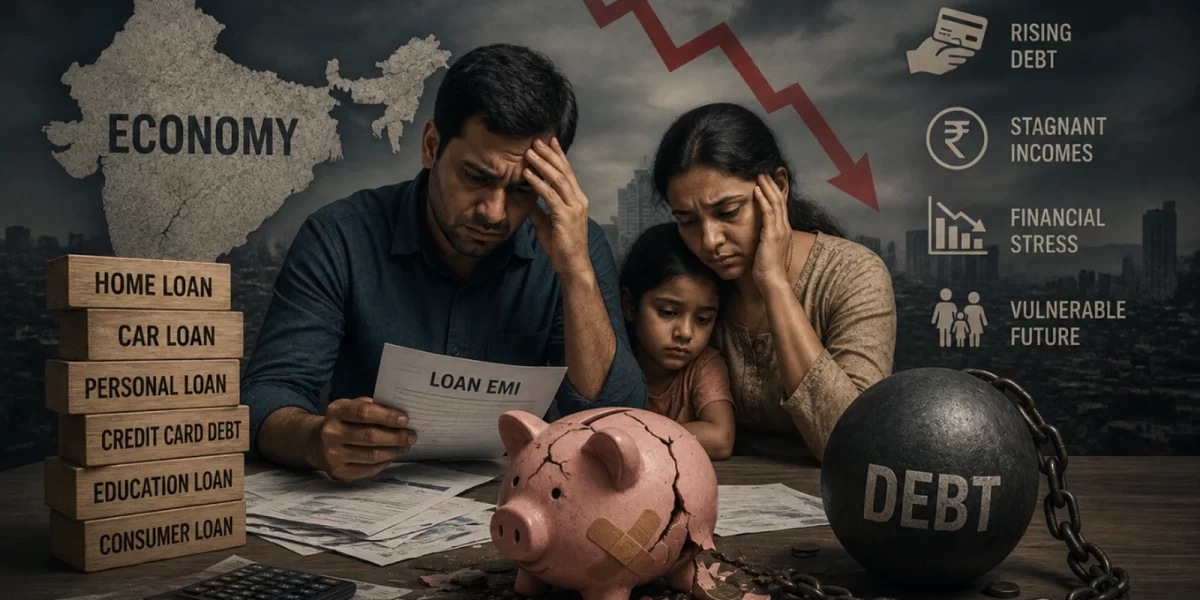
How India’s Indebted Households Are making Indian economy more vulnerable
This chart strips out mortgages and looks only at non-housing household debt as a share of GDP across major economies. On this specific measure...

Record Foreign Inflows Are Reshaping the US Equity Market
This chart highlights a structural shift in US equity ownership over the past three decades. Foreign investors and passive investment vehicles...
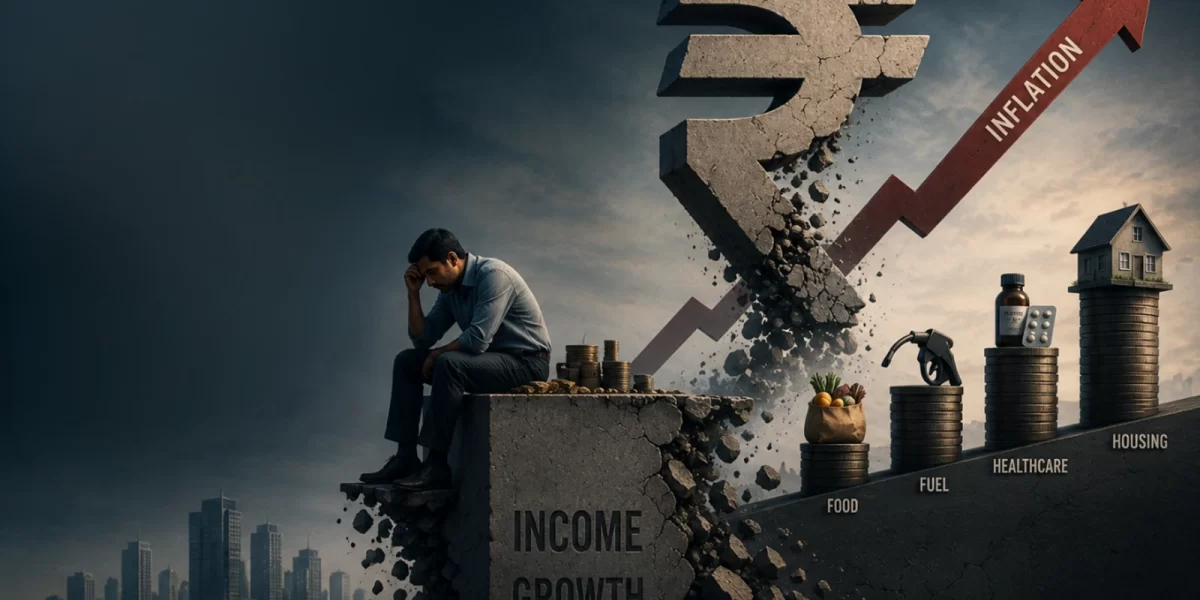
The Quiet Erosion: How Inflation Is Undermining India’s Income Growth
This chart tracks the share of Indian households across four income brackets from FY2021 through FY2031, and at first glance the trend looks

Leveraged ETF Boom: The Hidden Risk Inside the Rally
The number of US-listed leveraged ETP products is now approaching 700 funds — more than double the count seen at the end of 2024 — carrying over $200 billion
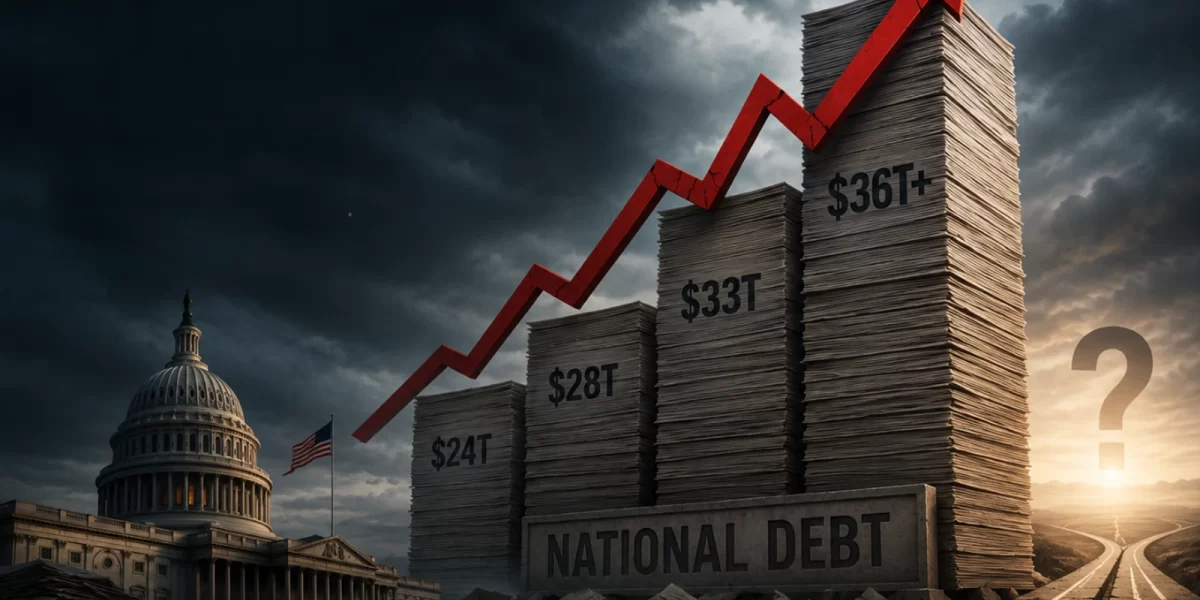
US Debt Is Rising Faster Than Ever—What Happens Next?
This chart shows that the United States is projected to run the largest budget deficit in the G7 relative to GDP, even as many other developed economies gradually improve their fiscal positions.